
On this page
A visitor can enjoy a product at a pop-up and still prefer to buy later. They may need to check a measurement, compare colors at home or speak with someone who shares the purchase decision. A useful follow-up gives that person enough context to resume the decision without pretending the event visit was already a qualifying purchase.
A purchase-linked card offer can belong in that handoff when its conditions fit the later online journey. The pop-up team’s role is to explain the invitation accurately. The online merchant’s role is to deliver the purchase experience and handle the applicable reward promise.
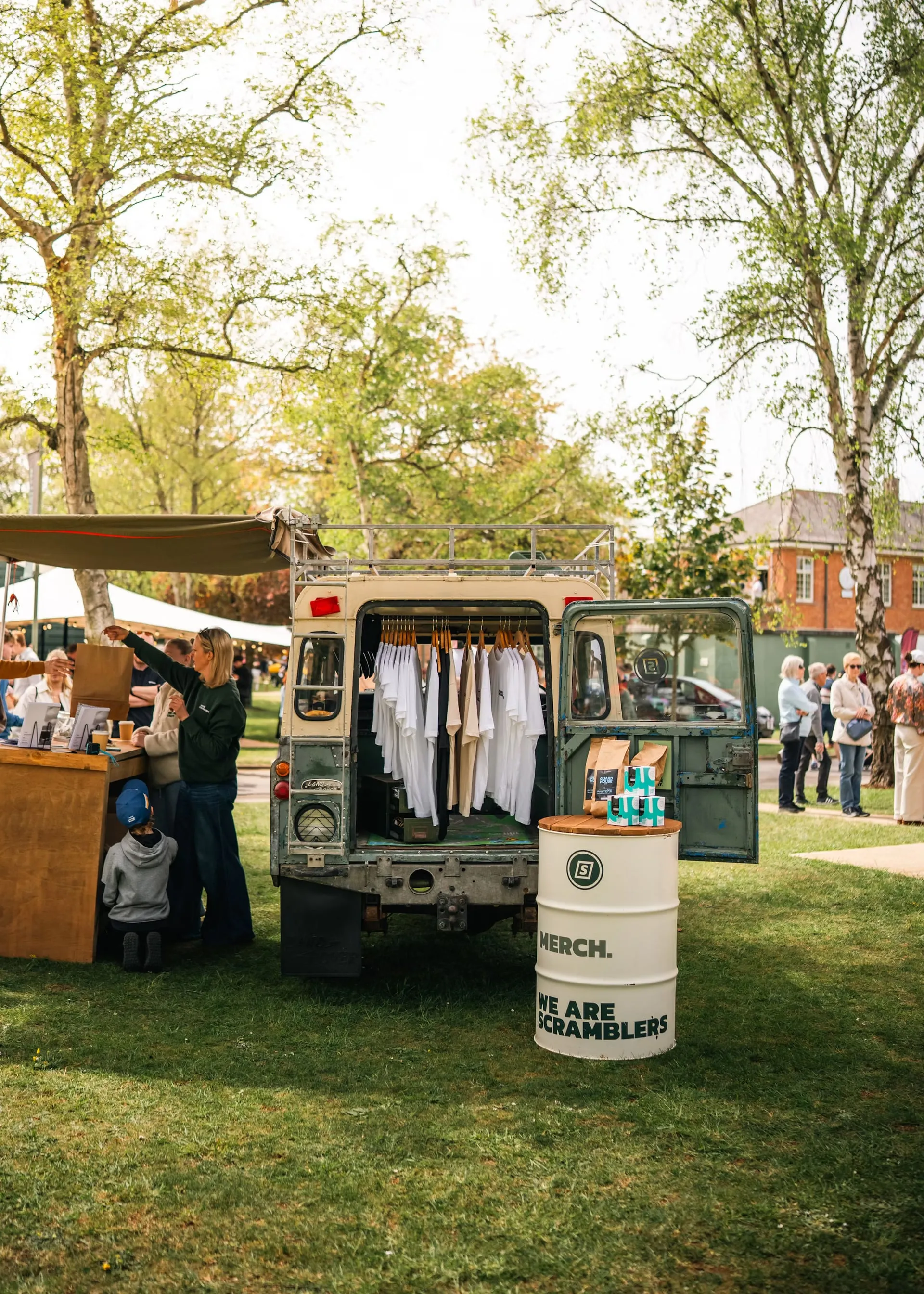
Imagine a hypothetical Shopify brand demonstrating modular desk organizers at a weekend pop-up. A visitor likes a configuration but wants to measure their desk before ordering. The team gives them a take-away card that reconnects the demonstration with a voluntary online purchase.
Choose what visitors take away from the pop-up
The take-away should solve the memory problem first. Identify the product or configuration the visitor saw, the practical question they need to answer and the destination where they can continue. A generic promotion code without product context can leave them unable to reconstruct why they were interested.
For the desk-organizer example, the card names the demonstrated configuration, directs the visitor to the published dimensions and links to the campaign explanation. It does not include a card reward credential or claim that a benefit was issued during the event.
Build the handoff specification as a usable design brief:
| Element | Example content purpose | Owner | Why it matters |
|---|---|---|---|
| Product reference | Identify the organizer configuration demonstrated | Merchandising | Restores the original product context |
| Unfinished decision | Check available desk width | Event team | Gives the visitor a useful next action |
| Purchase destination | Current online product and campaign route | Online team | Connects interest to an actual buying path |
| Offer window | Approved period for qualifying purchases | Campaign owner | Separates event attendance from later eligibility |
| Help route | Product questions before purchase | Customer support | Prevents sales staff improvising answers |
The visitor should be able to use the card without giving the event team personal information. If the merchant also offers a follow-up enrollment route, explain that separately and let the visitor choose it. A physical conversation alone should not be treated as permission to enter someone into every marketing sequence.
Keep the card compact enough to use, but do not let visual simplicity erase the distinction between buying and receiving a later benefit. The reward explanation can be linked, while the immediate invitation still makes clear that a qualifying online purchase is required.
Connect the invitation to a later online purchase
Define the event invitation’s commercial scope. Does it apply to the demonstrated product only, a specified range or a particular campaign window? Is the intended audience people who attended, or can the destination serve anyone who receives the card? Choose that scope before distributing materials.
A hypothetical visitor takes the card on Saturday, measures their desk on Monday and decides on Tuesday. The online page must show the current eligible product and purchase price, along with the approved reward conditions. The event interaction is context; the actual purchase remains a separate decision.
Shopify supports customer segmentation. If the merchant uses enrolled event visitors as an audience, verify the actual records and available follow-up controls. This handoff model does not assume Shopify POS installation, automatic cross-channel matching or a RebateCardX event-issuance feature.
The most common design mistake is relying on a staff member’s spoken explanation to carry conditions that the online destination does not repeat. A visitor may remember only part of the conversation. The page should stand on its own, including for someone who receives the take-away from a friend.
Decide what happens when the product changes before the visitor orders. If the demonstrated configuration is unavailable, the destination should acknowledge the change and explain any suitable alternative accurately. Do not silently substitute a different arrangement while keeping the original demonstration as the purchase promise.
The difficult case is a visitor who believes the event team promised eligibility beyond the written campaign. Give support a defined route to review the actual event materials and relevant conversation context. Avoid telling the visitor that an internal team boundary makes the issue someone else’s problem.
Resolve store-team and online-team ownership
Create a handoff map with one owner at each stage. The event lead approves what staff can say and what materials they distribute. The online campaign owner approves the destination and keeps the offer current. Product support answers fit questions. The team responsible for the approved reward journey handles purchase-specific questions after an order exists.
This division should be invisible to the visitor except where it helps them get an answer. Staff should know where to direct a question without explaining the merchant’s internal software architecture. A simple public contact route can lead to the correct authorized team internally.
Rehearse the handoff before the pop-up. Ask one person unfamiliar with the campaign to take the card, identify the demonstrated product, find the dimensions and explain what purchase would qualify. If they think merely attending earned a card, the invitation needs correction.
After the event, review the materials still in circulation. Printed cards may remain in bags and drawers after the campaign closes. Keep their destination useful: explain the closed offer window, preserve relevant historical information and direct new visitors to current product information without presenting an expired incentive as live.
The practical result is a take-away card and ownership map that preserve the original product conversation. The visitor can finish their own decision, the online store can present a coherent purchase invitation and the event team can make a promise it is equipped to explain.
Explore the Shopify purchase journey for a campaign that begins in person.
Source references
This guide is general information, not financial, legal, tax or regulatory advice. Eligibility, card availability, permitted use and responsibilities depend on the applicable offer and card terms.