
On this page
A customer who bought once may have a recurring need, or they may have completed a one-time task. A subscription invitation should establish which situation applies before emphasizing a card reward. Otherwise the incentive can become the most visible part of a commitment that does not suit the customer’s usage.
The purchase-linked benefit and the recurring arrangement answer different questions. The customer needs to understand what they will keep buying and on what schedule. Only then can they evaluate any approved one-time reward associated with an eligible subscription purchase.
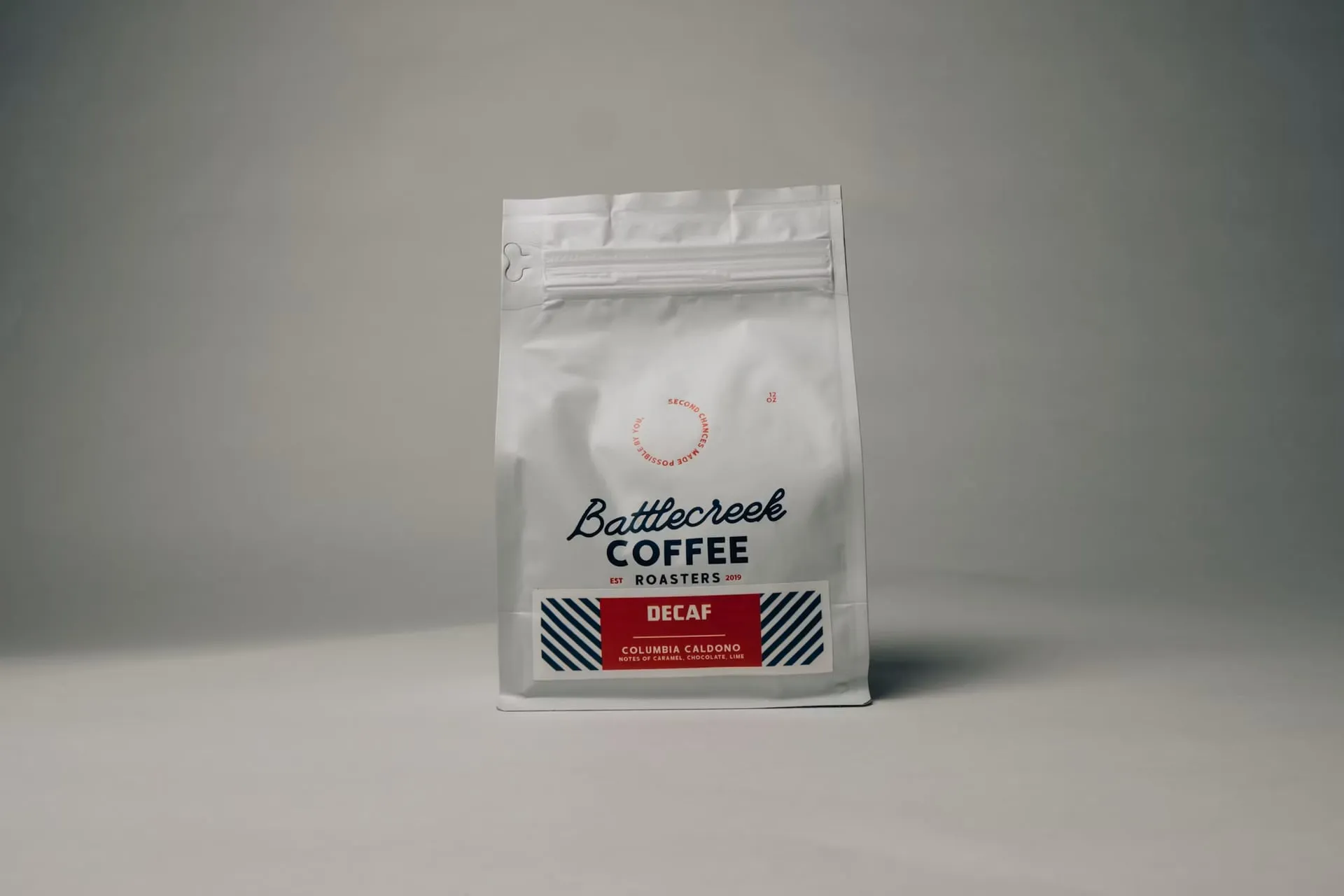
Imagine a hypothetical Shopify store selling coffee beans. Some customers repeatedly buy the same quantity, others rotate among products unpredictably and some bought a gift. The merchant is considering a card offer for a voluntary move to a subscription.
Identify customers with a recurring product need
Start with the reason a customer would want repeat delivery. A regular coffee buyer may value a predictable arrangement. A gift purchaser may have no personal consumption need. The existence of a paid order does not settle the difference.
Use actual purchase patterns cautiously. Repeated similar orders can suggest a recurring need, but the customer may still prefer flexibility. A campaign should explain the subscription option rather than state that the merchant knows it is the right choice.
A suitability matrix can guide the invitation:
| Buying pattern | Potential subscription fit | Question to resolve | Campaign approach |
|---|---|---|---|
| Similar quantity purchased regularly | Plausible recurring need | Does the offered schedule match actual usage? | Explain the commitment, then the approved offer |
| Highly variable quantities | Fixed cadence may be unsuitable | What changes the need? | Present flexibility accurately or defer |
| One-time gift purchase | No recurring personal need established | Was the original occasion unique? | Do not assume subscription relevance |
| Product still being evaluated | Suitability remains uncertain | Does the customer want repeated use? | Let the trial inform the decision |
| Already subscribed | Intended transition already occurred | Is there another relevant question? | Exclude from this acquisition route |
The table is a campaign planning model, not an algorithm that determines personal suitability from a few orders. Leave room for customers to say the arrangement does not fit.
Shopify supports recurring subscription purchase options. Confirm the actual app, product and terms used by the merchant. That general capability does not establish that every subscription qualifies for a RebateCardX program or that a reward applies to every recurring order.
Compare the commitment with their existing buying pattern
Make the ongoing arrangement visible before the incentive becomes the main decision. Explain the product, quantity, schedule and actual purchase price under the merchant’s current terms. The customer should not need to infer those details from a reward banner.
For the coffee example, a shopper who buys roughly when their stock runs low may find a scheduled arrangement convenient, but only if its cadence fits. Someone whose consumption changes frequently may prefer ordinary one-time purchases. The reward does not remove that difference.
Use a simple comparison of the decision, not a claim of guaranteed savings. One-time buying requires the customer to choose each order. The proposed subscription creates a recurring arrangement under its stated terms. A one-time approved card benefit belongs alongside that explanation, not in place of it.
Do not describe the reward as a recurring reduction unless that is actually the approved offer. A customer may otherwise divide the benefit across future deliveries and assume a lower ongoing price than the merchant charges. Keep the one-time event and continuing purchase obligations separately understandable.
The difficult case is a subscription with a first-order promotion and a different later price. The campaign should present the continuing arrangement clearly enough that the card reward does not obscure the change. This article does not provide recurring-billing legal advice; it asks whether the customer can understand the commercial decision being offered.
Where the merchant offers schedule controls, describe only the controls actually supported under the chosen subscription arrangement. Do not promise unrestricted pausing, cancellation or quantity changes based on another app’s behavior.
Present the reward after the subscription decision is understood
Once the recurring proposition is clear, explain the approved purchase-linked reward: what eligible action it relates to, who may receive it and where the applicable conditions are available. Do not imply that enrollment alone is sufficient if a qualifying paid purchase is required.
For the hypothetical coffee campaign, the invitation first explains the subscription’s product and schedule. The later reward section identifies its separate conditions. The customer can choose the subscription because the recurring need fits, while evaluating the card as an additional part of the present offer.
Let an unsuitable customer remain a one-time buyer without penalty language. A decision against subscription is not necessarily dissatisfaction with the product. The merchant can preserve an ordinary purchase route and avoid escalating the incentive merely because the customer values flexibility.
Record the campaign’s intended transition. The audience consists of appropriate one-time buyers considering a subscription, not all customers whose order history includes coffee. The exit occurs when the customer subscribes, declines, no longer has a suitable need or the campaign ends.
Review one predictable-use case, one variable-use case and one gift purchase before release. A useful suitability matrix should produce different invitations or no invitation, rather than attach the same reward to all three.
The finished campaign lets the customer understand the recurring commitment first and the one-time benefit second. That preserves the voluntary purchase decision and keeps the card offer from making an unsuitable subscription appear appropriate simply because its first transaction carries an incentive.
Discuss whether a card reward fits a voluntary subscription purchase journey.
Source references
This guide is general information, not financial, legal, tax or regulatory advice. Eligibility, card availability, permitted use and responsibilities depend on the applicable offer and card terms.